In Margibi, a Young Voice Urges Liberia’s Youth to Stop Waiting to be rescued—and Start rescuing themselves.
KAKATA, Liberia — On a humid afternoon in Kakata, the message cutting through the static of media platforms in Margibi was neither cautious nor conciliatory. It was a challenge.
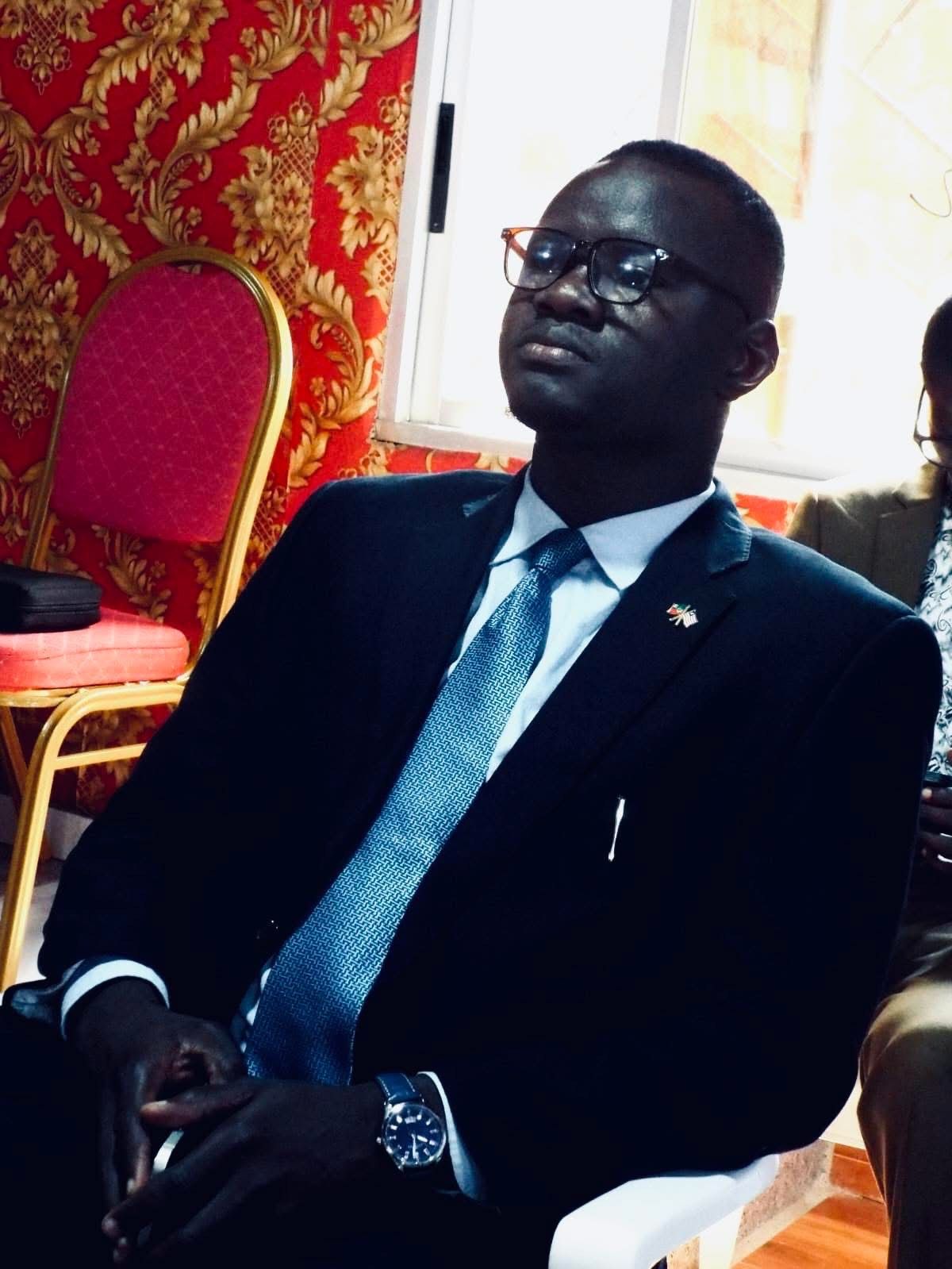
“You cannot keep waiting for politicians to rescue you,” John Saylay Singbae II told listeners, his voice steady but urgent. “They will never do for you what you can do for yourselves.”
Singbae, a son of Margibi County and a rising figure in Liberia’s youth political circles, was speaking less as a commentator than as a provocation. In a country where more than half the population is under 35, young people have long been central to political mobilization, but rarely to political power. Singbae’s message sought to confront that contradiction head-on.
For decades, he argued, Liberia’s youth have been treated as expendable foot soldiers in political battles, mobilized during campaigns, deployed as personal security, and discarded once elections are won. “Many of you dedicate your lives to protecting politicians as they engage in plunder,” he said. “And when they reach echelon of power, you are left desperate.”
For decades, he argued, Liberia’s youth have been treated as expendable foot soldiers in political battles, mobilized during campaigns, deployed as personal security, and discarded once elections are won. “Many of you dedicate
your lives to protecting politicians as they engage in plunder,” he said. “And when they reach echelon of power, you are left desperate.”
It is a familiar grievance, but one that Singbae delivered with unusual bluntness. He accused political elites of deliberately sustaining youth dependency, using unemployment, tribalism, patronage, and even drugs as tools of control. “They fear you because you are young,” he said. “They know that once you become conscious of your power, you will stop calling them ‘leader’ or ‘teacher.’”
Mr. Singbae’s comments come after months of quiet but determined organizing. Before returning to Kakata, he had traveled across Liberia, visiting university campuses, community centers, labor unions, and youth groups. His aim, he said, was not to launch another personality-driven movement, but to help young Liberians recognize their collective leverage.
When asked about the structure of the movement he is advocating, Mr. Singbae was careful to downplay individual leadership. He described it instead as a nationwide effort, drawing young people from all 15 counties as well as the Liberian diaspora. He called it “a final beacon” — a space for youths to transition from being rally singers and street mobilizers into policymakers and leaders.
The appeal appears to be resonating. In less than three months, the movement has attracted a growing base of young supporters, many of whom say they are ready to engage in sustained political mobilization rather than episodic protest. For some, Singbae’s message feels overdue.
Liberia’s postwar political order has often celebrated youth participation rhetorically, while sidelining young people from meaningful decision-making. This gap, analysts say, has bred frustration, apathy, and cycles of manipulation. Against that backdrop, Singbae’s intervention has been described by supporters as timely, and by critics as confrontational.
But for Singbae, the stakes are clear. “The power has always been with the youth,” he told listeners. “The tragedy is that the youth have allowed others to use it against them.”
Whether his call will translate into lasting political change remains uncertain. What is clear is that, in Kakata and beyond, a growing number of young Liberians are beginning to ask one of the biggest questions rarely voiced so publicly: If we are the majority, why are we still waiting for permission to lead?